
NOVA x Aybike ÖZSÖYKE: An İnterview on Algorave in Türkiye
Aybike Özsöyke’s work turns emotion into frequency, folklore into circuitry, and the inner noise we hide into something we can finally hear.
In this conversation, we trace her journey through poetry, electronic ritual, and the question at the heart of her practice:
Can a loop carry memory?
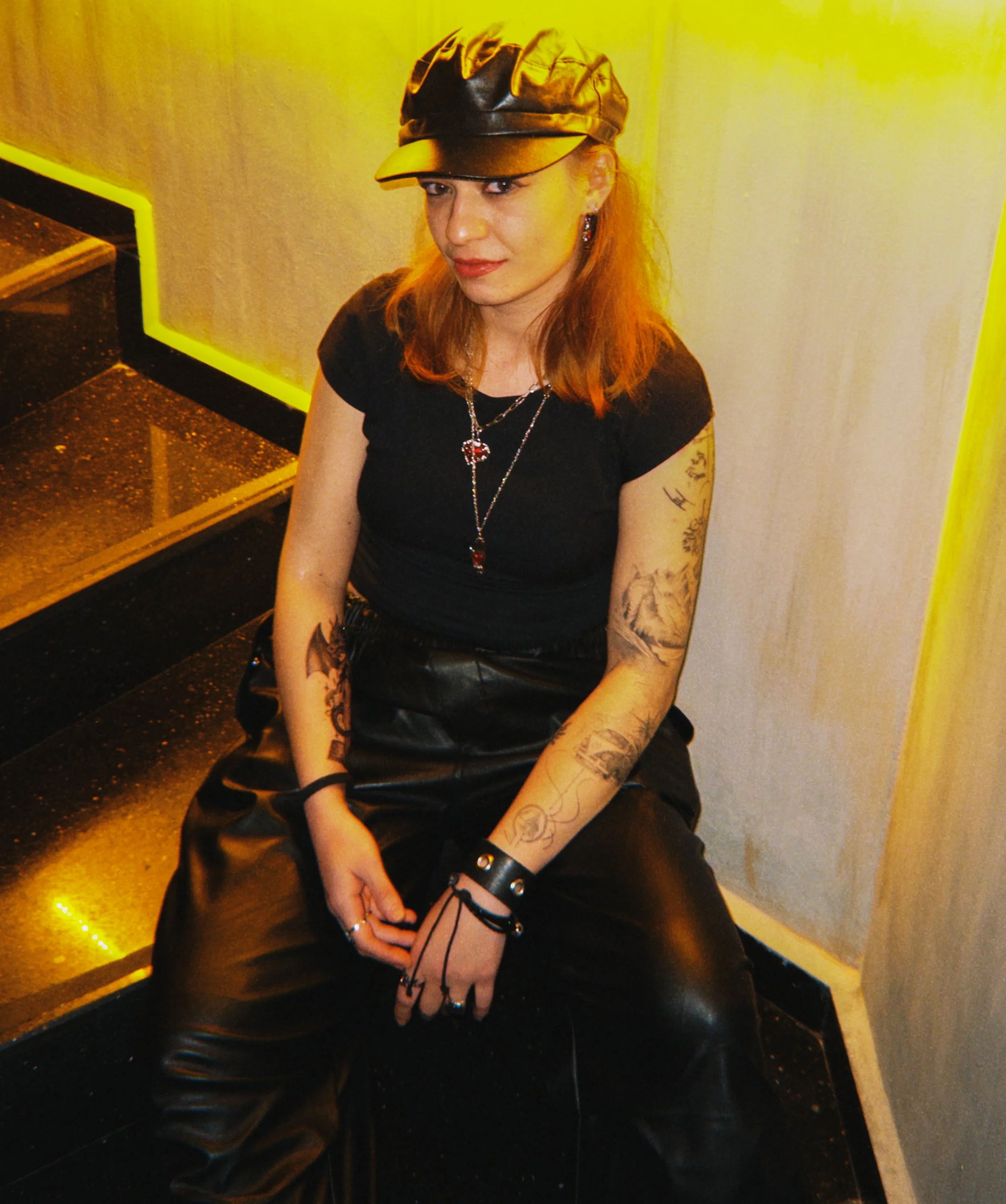
Our guest: interdisciplinary sound artist, coder, and storyteller Aybike Özsöyke.
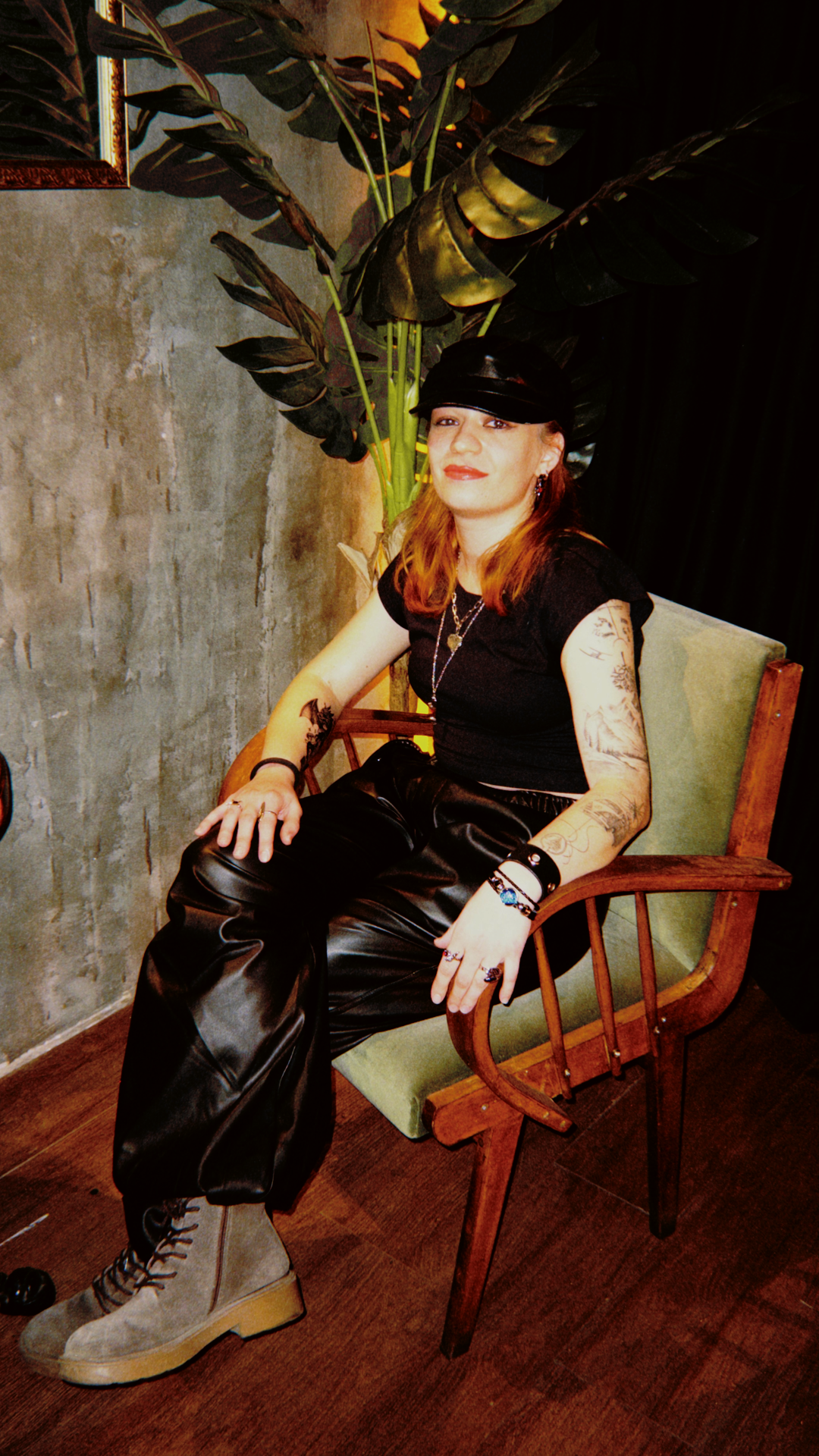
Aybike Özsöyke for NOVA
NOVA: We’re very happy to have you with us, Aybike. To begin, could you tell us a bit about yourself?
AYBIKE: Thank you, NOVA. I’m an art explorer who cannot confine herself to a single field. On my interdisciplinary journey, I try to build a shared language by combining my ideas with different forms of expression. In my work, I enjoy bringing together traditional knowledge and contemporary technologies to create new execution protocols. For me, the starting point of exploration begins not with the question “What tool should I use?” but with “What do I want to convey?” The purpose shapes how I convey it.
NOVA: How did your path cross with Sister’s Music Chain? What kind of production did this collaboration generate or aim to generate? How would you describe the sound of this partnership?
AYBIKE: I met Funda Lena, the founder of Sisters Music Chain, during the project “Sounding Off: The Next Generation of Women in Sound.” The points she touched on in her talk caught my attention. When she later founded Sisters Music Chain, I joined without hesitation, because I had no doubt that a platform founded by Funda Lena would be impactful and powerful. It became a creative platform where women in the music industry come together for solidarity, advocacy, and collective production.
Among the projects I was involved in, our poetry book Dizelerin Kanatlarında Kadınlar was published. My poems “Buruk Tebessümler Birikintisi,” “Kurutulmuş Ruhlar Pazarı,” and “Ertelenmişlikler” are included in it. Our short story collection will be published soon as well, and I am part of it with my story “Intrüzif Düşüncelerde Yaşamak” The accompanying piece I composed for it, “İntrüzif Düşünceler,” will be released on October 21.
As the producers of the collective, our album “Anachronic” has been released. My piece “Mining Wheel” is included in the album. We also have ongoing projects, and I’ll keep those as a surprise for now.
I can say it’s a sound where we become a source of inspiration and strength for one another.
NOVA: We love your song “Sesinde Gözyaşı Var,” just like everyone else. What was it like to be featured on OLTA #14 alongside artists we deeply admire, like Teoman, Ece Oğur, and many others? What affected you most within that collective structure?
AYBIKE: I remember jumping with joy and excitement when it was confirmed that I would be part of the album. What affected me the most was that, regardless of how big an artist’s audience was, everyone came together purely for the quality of the work. In a time when people often make judgments based on follower counts or listener numbers rather than the work itself, seeing this pattern break was truly inspiring and hopeful.
NOVA: Being part of the Kadın Yüzler Festivali must have been both thematically and emotionally meaningful. How did it feel for your voice to meet other women’s voices on that stage?
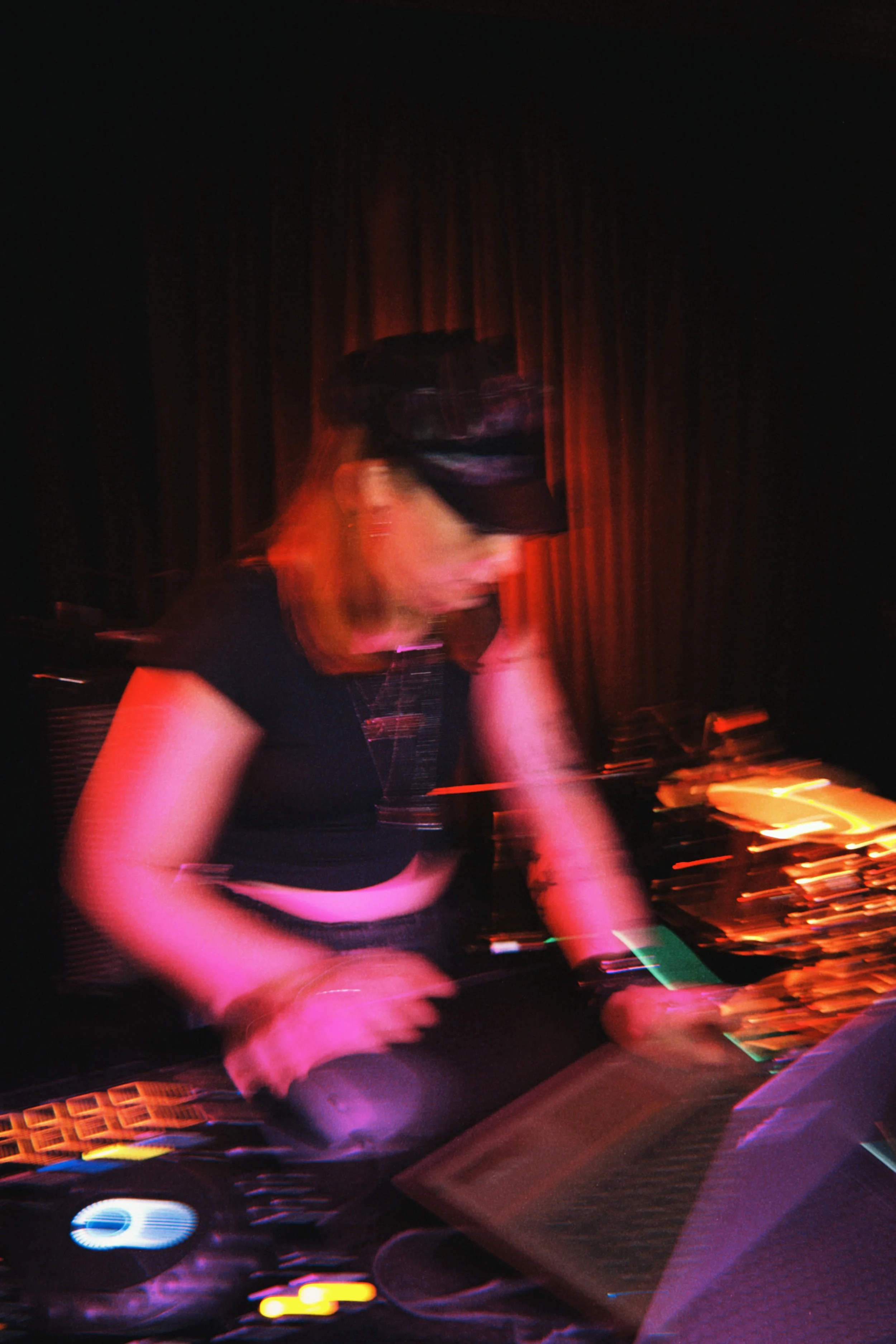
AYBIKE: It was very pride-inducing to take part in the festival’s opening. It was also exciting because it was the first launch of our album “Anachronic.” The live-coding performance I did afterward was a personal first. I had always practiced at home, and this was the first time I performed it in front of an audience. I was so nervous that I hesitated to lift my head from the computer during the entire performance, but the applause at the end grounded me and made me want to continue.
As women within a patriarchal system and industry, creating together and supporting each other felt both relieving and empowering.
NOVA: When designing the music for Wittgenstein’ın Sineği, how did your creative process unfold? How do you approach the rhythm and philosophy of a stage when composing for theater?
AYBIKE: I carried out the entire process together with the dramaturg. After listening to my piece “Kam” (ft. Simay Akca), the dramaturg decided to work with me. What stood out here was the creation of atmosphere. Normally, continuous sound from the beginning to the end of a theater play is not preferred, but this play wanted to maintain sonic atmosphere throughout, with a more innovative approach.
So what I focused on was how emotions and transitions were intended to be conveyed across scenes. The whole point is to find a balance where the sound does not overshadow the actor, but supports their performance and enhances the audience’s focus.
NOVA: Let’s start with rhythm. In algorave performances, code becomes music and logic becomes feeling. What struck you most when you first encountered this stage?
AYBIKE: Interestingly, I did not first encounter algorave on stage. While searching for a master’s thesis topic, I came across a thesis titled “Integration of Sound Plugins Using Sonic-Pi Software,” and that is how I discovered algorave. Initially I was struck by the technique itself, but as I continued my research, what impacted me more was how it had grown into an underground culture, and I wanted to be part of it.
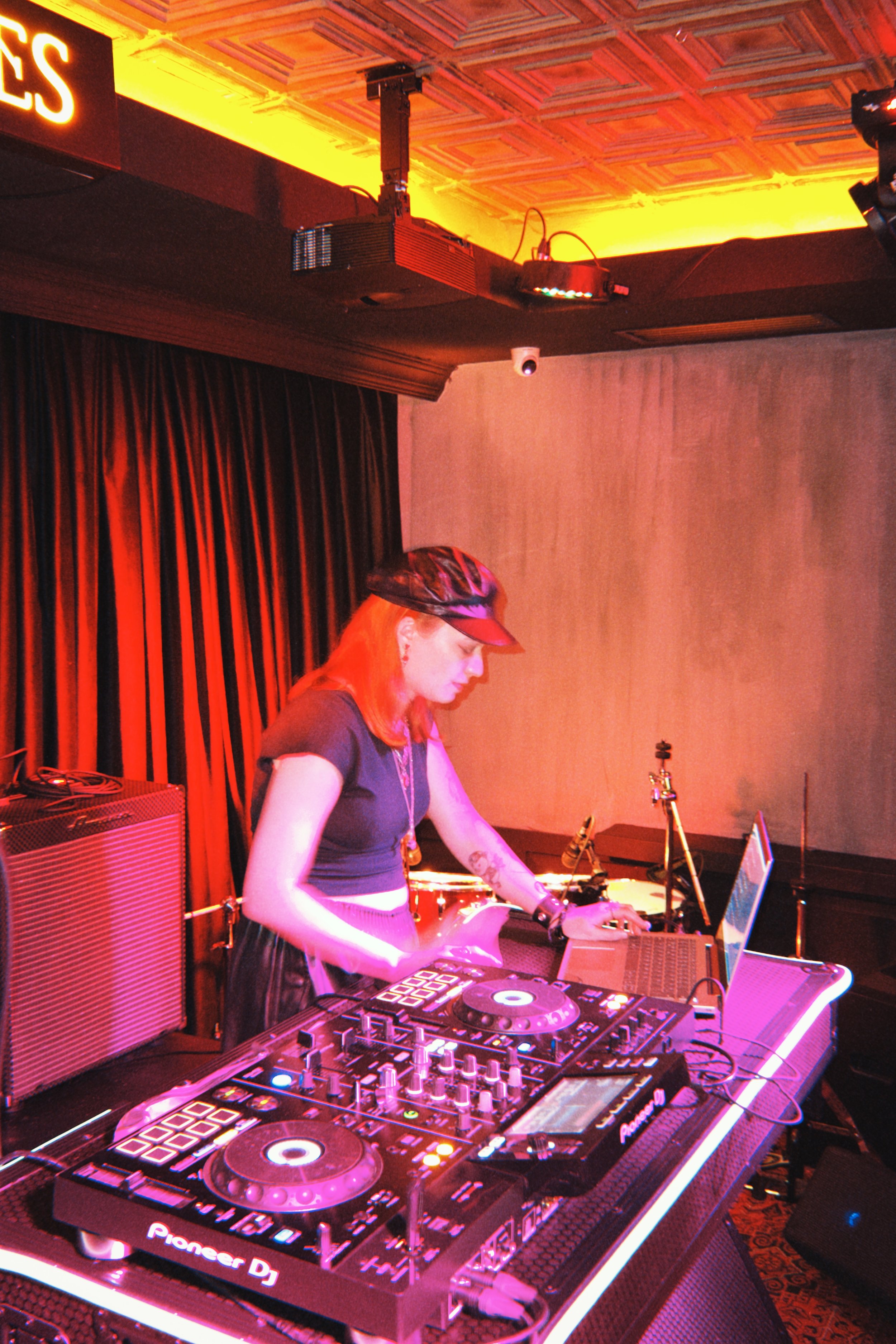
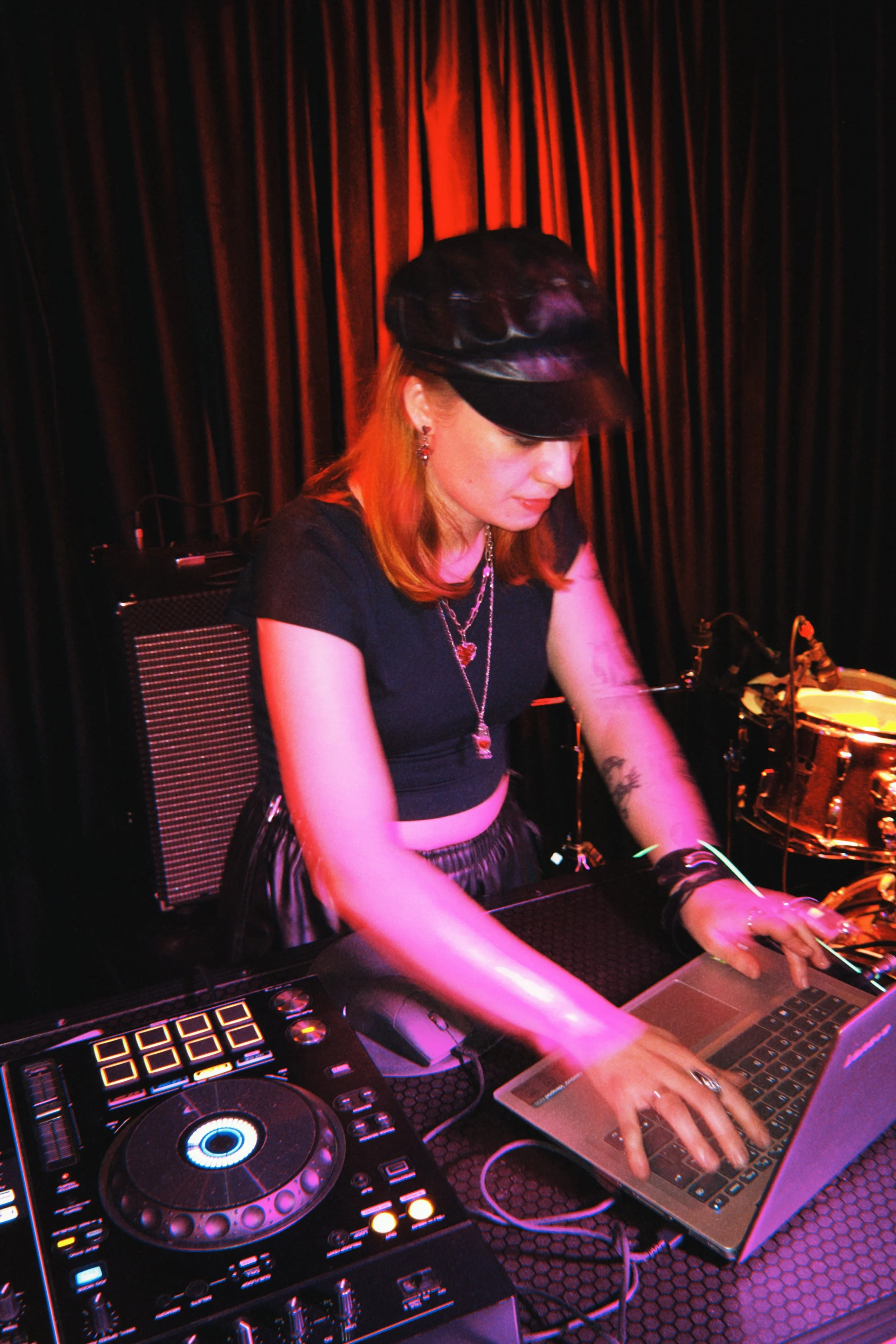
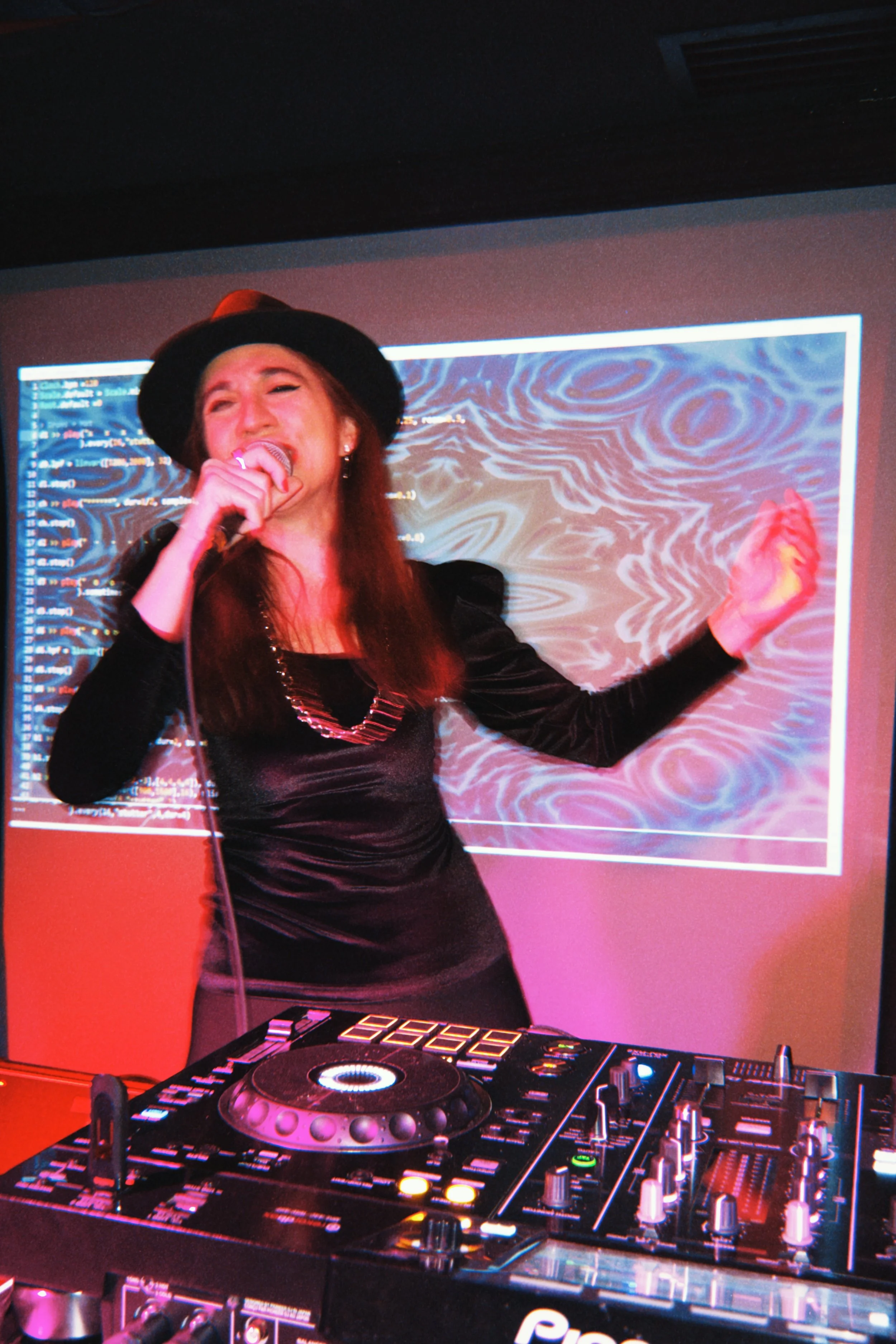
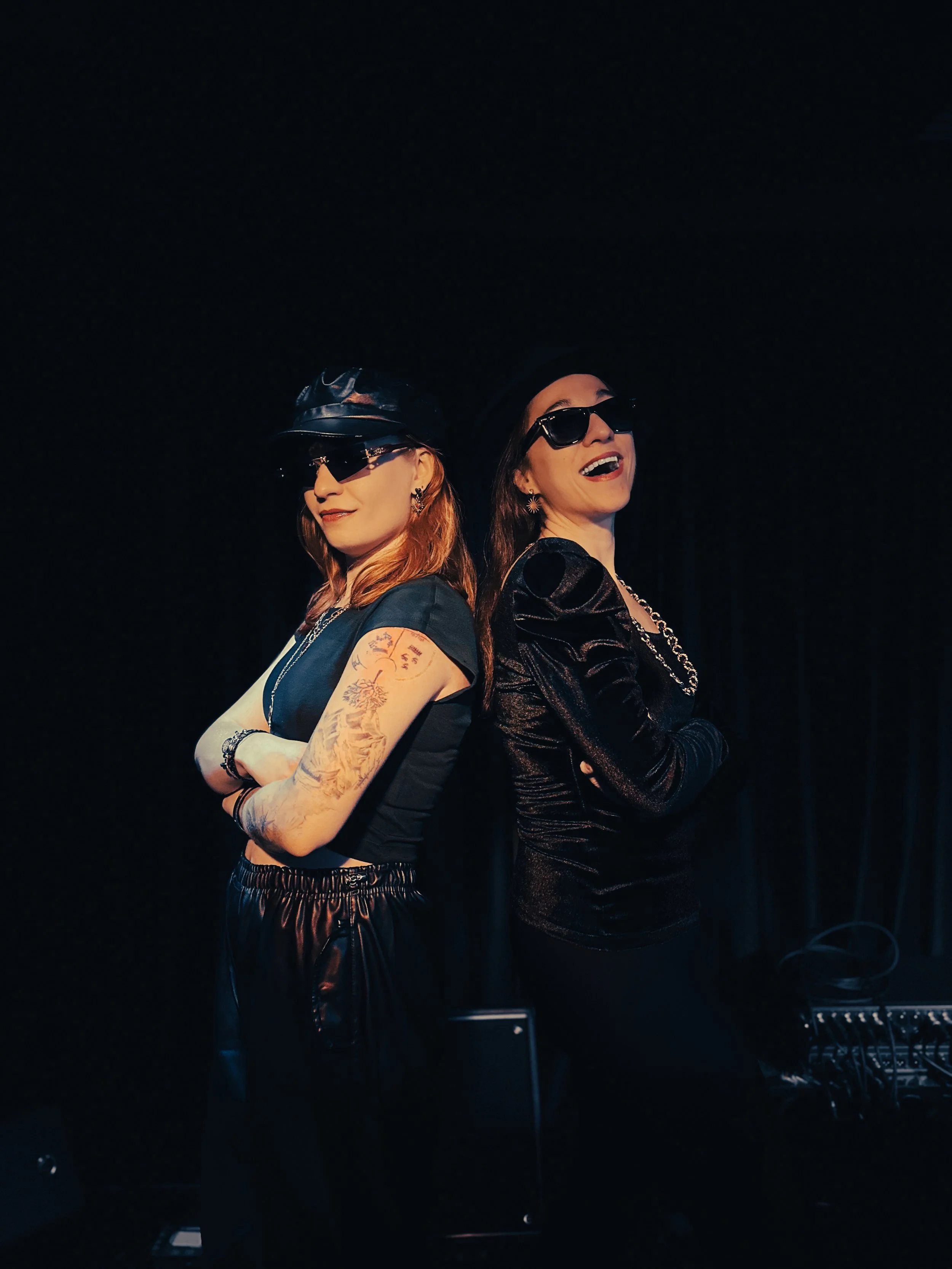
Sanat Deliorman for vocals with Aybike Özsöyke
NOVA: Algorave is both an auditory and visual experience — the audience sees the code while hearing the rhythm. How do you think this transparency changes the artist–listener relationship? Does showing the code make the music more democratic, or more distant? Does the language of code create a “veil of alienation” for the viewer?
AYBIKE: Displaying the code makes the music transparent and turns the creation process itself into a performance. The audience not only hears the sound but also sees how it is produced. This reminds everyone that code-writing is not just an engineering practice but a form of live stage art.
The core values of algorave culture include openness, sharing, improvisation, and community. In its manifesto, TOPLAP (Temporary Organisation for the Promotion of Live Algorithm Programming) states “Code should be seen,” and it embraces errors as an inseparable part of the performance. The algorave scene is a creative field open to spontaneous surprises and discoveries.
NOVA: In your “Döngü” and “Çığlık” exhibitions, you build a link between the cyclicality of nature and the inner scream of the human. Live coding also contains repetitive loops, unexpected breakages, and organic reactions. How do you think these two practices — static and performative — touch each other?
AYBIKE: The cyclical nature of the environment creates the comfort of repetition, while the scream forms the break within that comfort, a momentary threshold. Each loop in live coding carries this duality; within every repetition of the same pattern, a new micro-rupture occurs. Errors, delays, and elements brought by improvisation reveal emotion.
In static works, time is compressed, and the repeated form behaves like a frozen trace of an accumulated performance. In live performance, time expands, and the forms rebuild themselves through micro-deviations shaped by the listener’s pulse.
NOVA: For your AI-based exhibition, you used the word “Arkhe,” meaning origin or first principle. Do you see live coding as a kind of arkhe pursuit as well? As if returning to the origin of creation through digital material?
AYBIKE: I don’t see live coding itself as a pursuit of arkhe; I see it as a form of expression. But if we are to search for the arkhe of digital creation, I would say it is code.
NOVA: In your project “American Traces in Ankara 1950–69,” you deal with historical memory — traces, echoes, remnants. When bringing the sounds of the past into the present, what methods did you use? And could this archaeological approach transform into a kind of “real-time archaeology” in live coding?
AYBIKE: Since it was a collective exhibition, we worked through task distribution. For my assigned parts, based on the given visuals, I created either foley, music, or sound design depending on the scene.
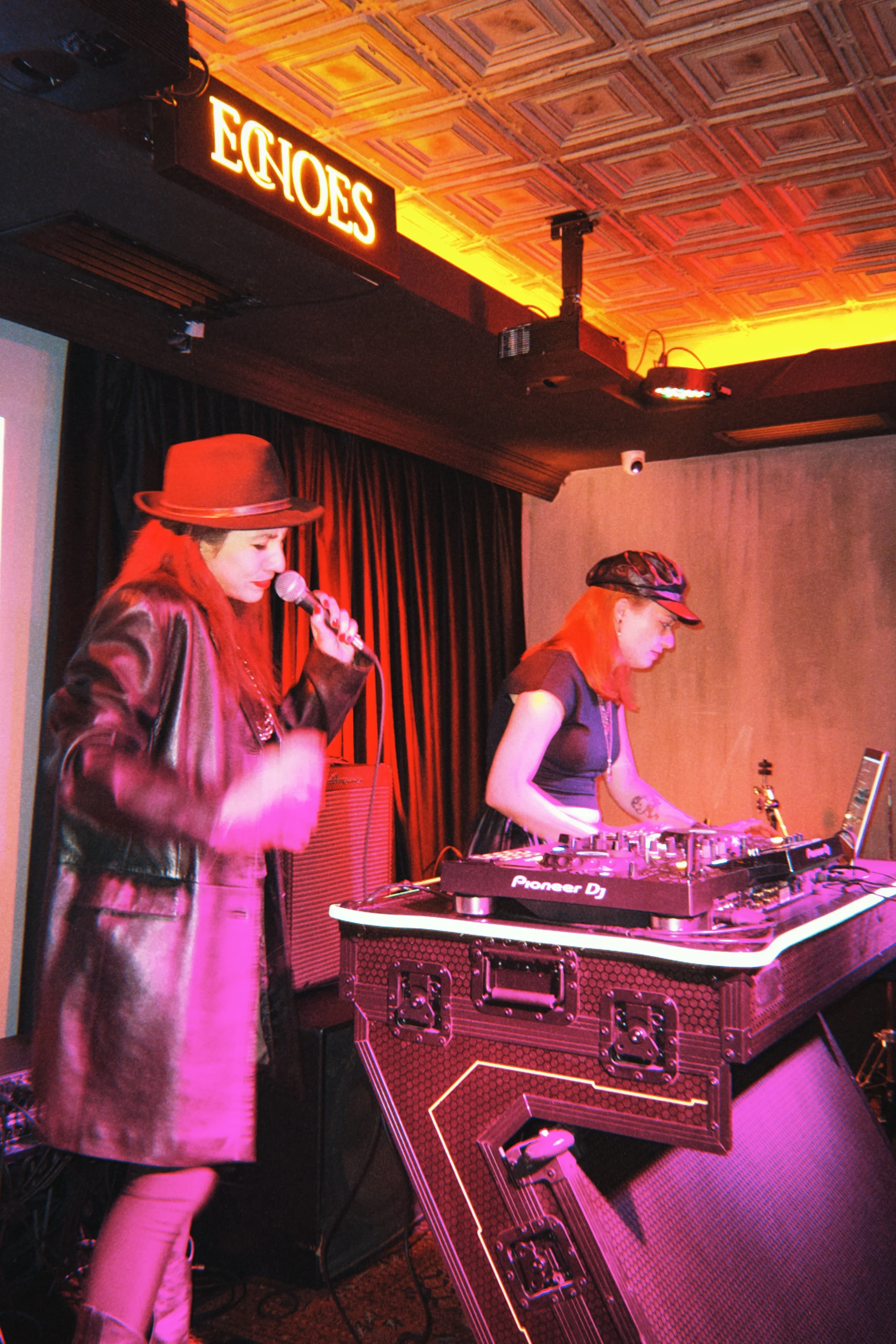
Something similar could be done in live coding. For example, in algorave performances, visuals are also generated by code. For my upcoming performance at Echoes on October 24, I prepared visuals with code alongside the music, and I will change motifs and colors live on stage.
For a project like this, visuals could be built around archaeological motifs.
“My aim isn’t to polish folklore with contemporary effects, but to bring roots and technology together on a shared creative ground and build a universal sonic language”
NOVA: There is a quality in your work that we might call “ethnic electronic.” The sounds of the past merge with the technologies of the future. What does this fusion mean for you?
AYBIKE: I position “ethnic electronic” as a framework that, considering evolving listening habits, connects local and global listening practices within a shared logic of production. My aim is not to polish folklore with contemporary effects but to bring roots and technology together on a common creative ground, forming a sound language that is globally understandable and yet original.
This way, the work can open itself to the global listening context without erasing its local origin.
A strong example of this line is Yat-Kha’s Yenisei-Punk album. By colliding höömey (Tuvan throat singing) with punk, it carries identity into a transnational expressive space without stereotyping it. The listening experience remains faithful to local memory while still being understandable in global circulation.
NOVA: Lastly, what kind of production do you imagine for a NOVA × Aybike collaboration? What would excite you most in future works we might create together?
AYBIKE: We could organize workshops together and create a collective space for production. What would excite me most are works where we feed off local elements and open ourselves to a global audience.